
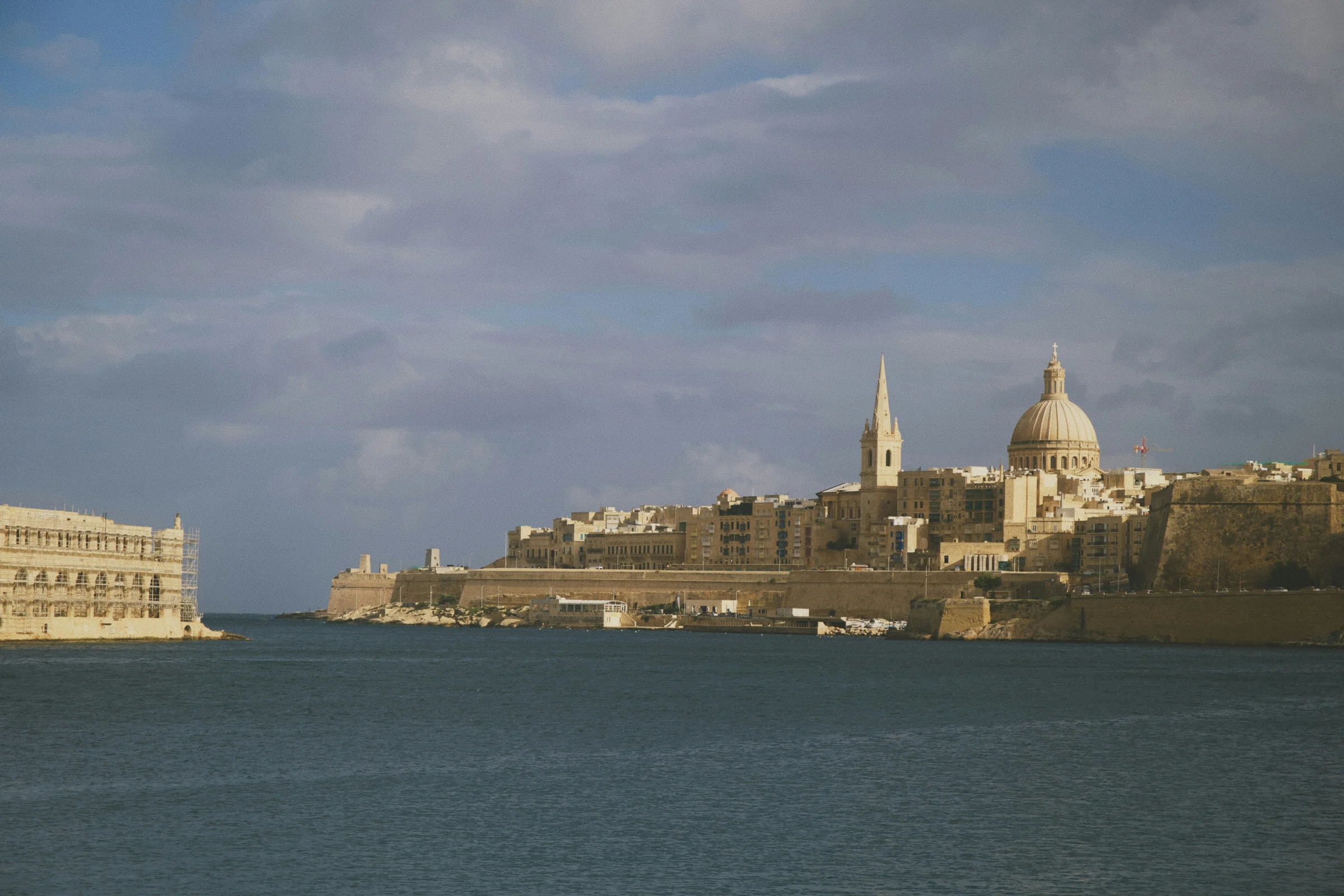
Twelve months a year, between Sicily and North Africa
Yacht marble restoration in Malta does not follow the calendar of the northern Mediterranean ports. Malta is a year-round yachting base: its harbours stay open in winter, many yachts are registered under the Maltese flag, and the island’s yards take in refits and lay-ups when the Riviera and the Balearics are quiet. English is an official language, so captains, managers and yard staff deal with paperwork and planning without translation.
For stone on board, this rhythm has a consequence. A yacht that spends the winter in Grand Harbour or Marsamxett, then the summer between Gozo, Sicily and the Ionian, rarely has a single long break. Marble work has to be fitted into short windows: a few clear days alongside, a refit slot, a gap between owner trips. Our team travels to your yacht in Malta for each of those windows, whether she is on her berth, on the hard or in a dock.
On the route between east and west
Malta sits almost exactly midway along the Mediterranean. Yachts coming south from Naples or Sicily stop here before the crossing to Greece, and many come back in autumn to spend the winter months in a sheltered harbour.
Where we work in Malta
- Grand Harbour Marina
- Msida Yacht Marina
Malta has two main natural harbours on either side of the Valletta peninsula, and the yachting scene is spread between them.
Grand Harbour
Grand Harbour Marina, operated by Camper & Nicholsons in Birgu (Vittoriosa), sits beneath Fort St Angelo, facing the bastions of Valletta. It has around 235 berths, takes yachts up to about 100 metres and is open all year. Its superyacht quay is the natural meeting point for most of our visits in Malta: the berthing master’s team patrols the pontoons, so we arrange names and arrival times in advance through the crew.
Next door, in the creek of Senglea, Palumbo Superyachts Malta runs one of the largest dedicated refit facilities in the Mediterranean, with a 160-metre dry dock, a 140-metre covered dock, a 420-tonne travel lift and 500 metres of quay. The yard is ISPS compliant, with gate control and round-the-clock security, so contractors are registered beforehand.
Marsamxett Harbour
On the other side of Valletta, Marsamxett is lined with marinas. Msida and Ta’ Xbiex Marina, at the head of the harbour, mostly hosts smaller yachts. Manoel Island Yacht Marina, near Gzira, has around 300 berths with stern-to quays for yachts up to 80 metres, and the neighbouring Manoel Island Yacht Yard handles haul-outs and repairs. Marina di Valletta, below the city at Floriana, and Gardens Yacht Marina at Ta’ Xbiex complete the list.
Marsamxett is where many yachts spend the winter close to Sliema and Valletta. It is a practical place for longer marble programmes, with good road access for our equipment.
The southern harbour yards. Further inside Grand Harbour, around Marsa, ship repairers and marine engineering firms work on yachts as well as commercial vessels. If your yacht is undergoing technical work there, we can plan marble work with the yard in the same way.
At anchor. In summer, yachts often spend their days off Comino (Blue Lagoon, Crystal Lagoon), in the bays of Gozo or along the north-west coast, around Gnejna and Ramla. These anchorages are busy with tour boats in daytime, and some areas near the Blue Lagoon are reserved for enforcement and emergency services. We can join a yacht at anchor when the tender transfer is safe; more often, we wait until she is back in harbour.
What we do on yachts in Malta
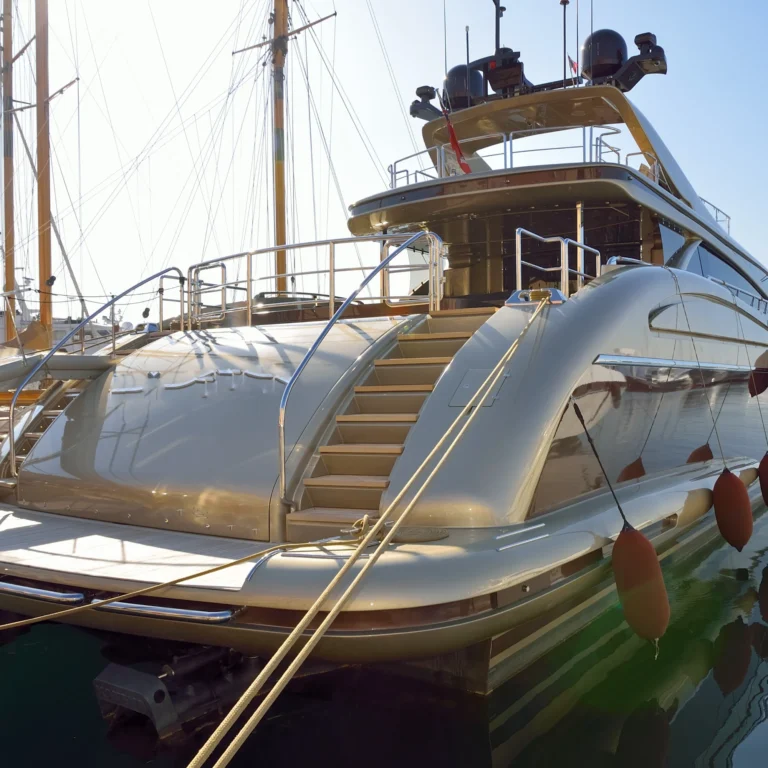 Winter berth or refit
Polishing
A dull floor or wall polished back to its original finish, area by area, with dust extracted as we go.Read more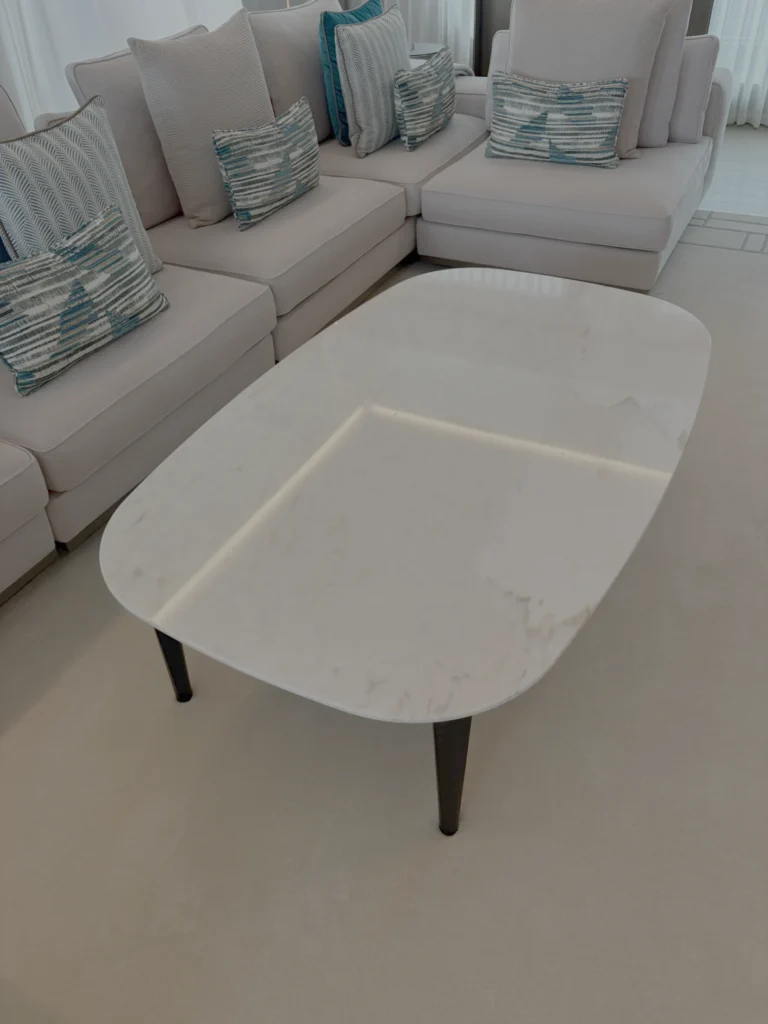 Calcite marble floors
Crystallisation
A harder, more reflective surface for floors that will face another full season of traffic.Read more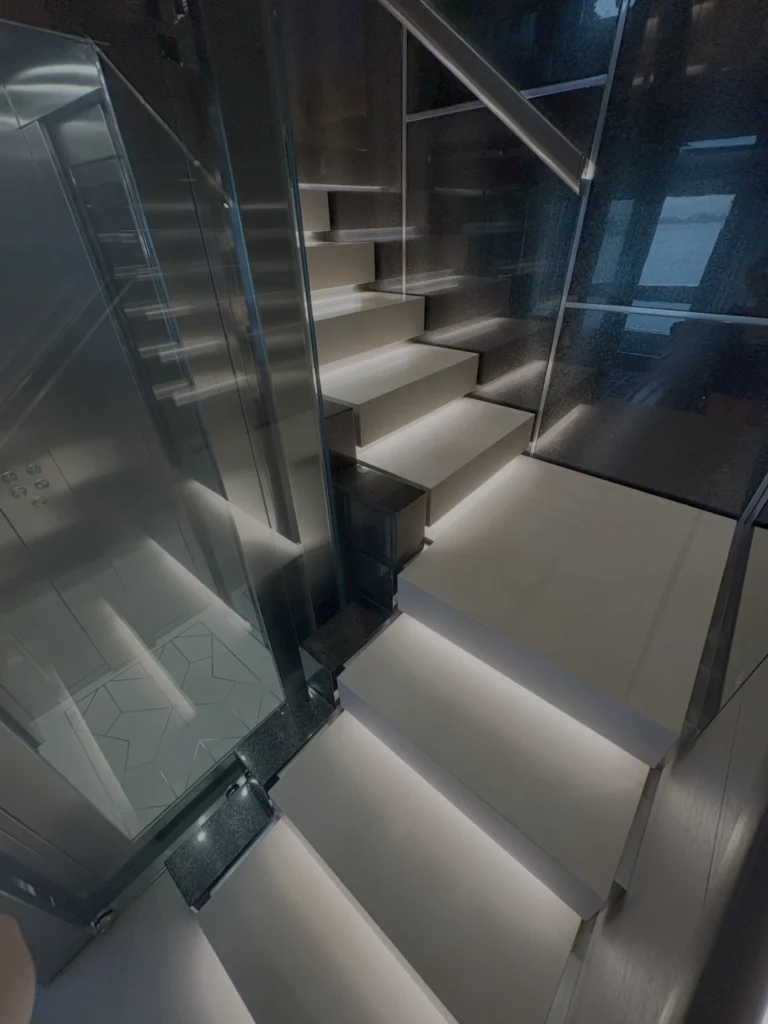 Chips, cracks, steps
Repair
Tinted resin fills on edges and nosings, levelled and polished to blend with the veining.Read more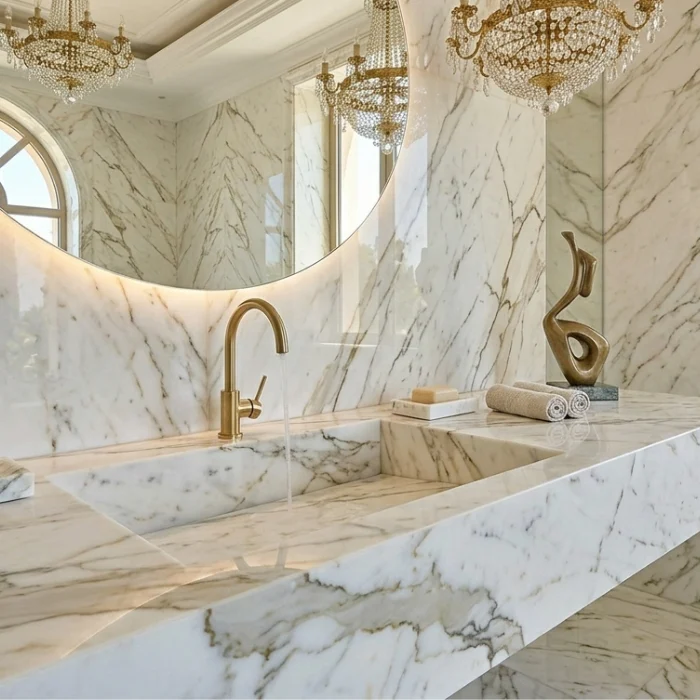 Acid, limescale, rust
Etch and stain removal
Local treatment of dull etch marks, hard-water deposits and rust halos around fittings.Read more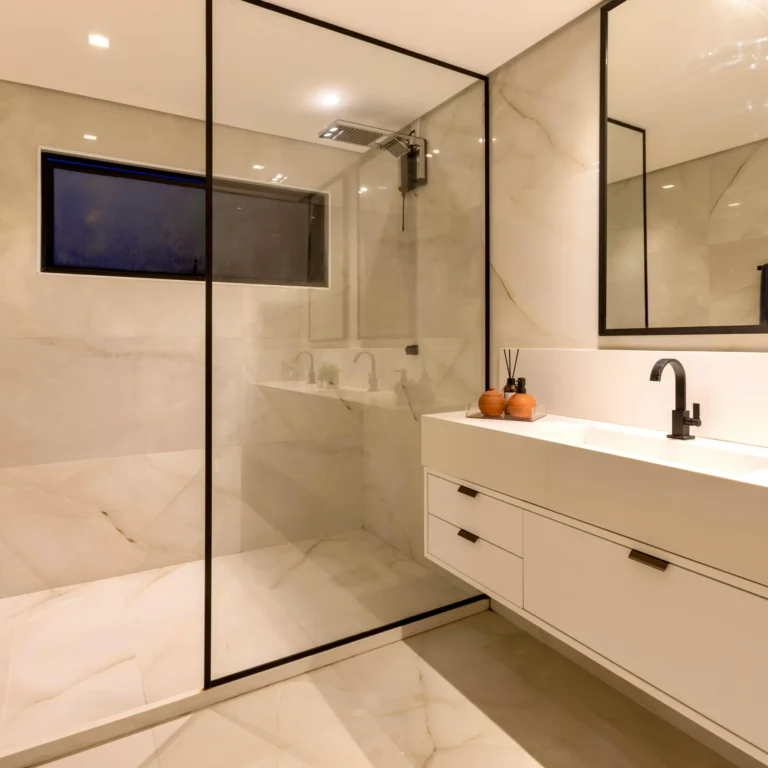 Before the spring departure
Protection
Water and oil repellent impregnation once the stone is clean and dry.Read more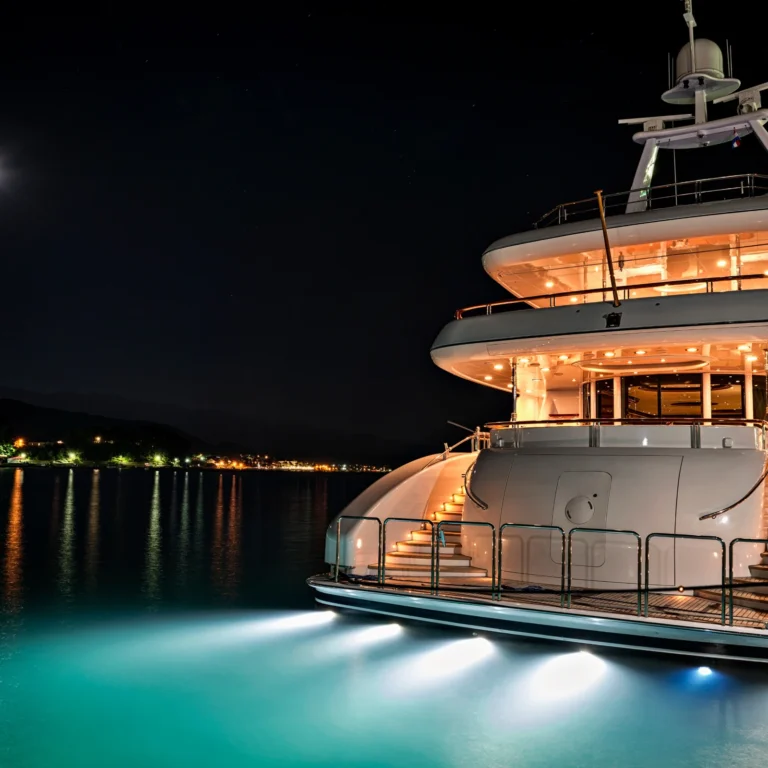 For yachts based in Malta
Maintenance contracts
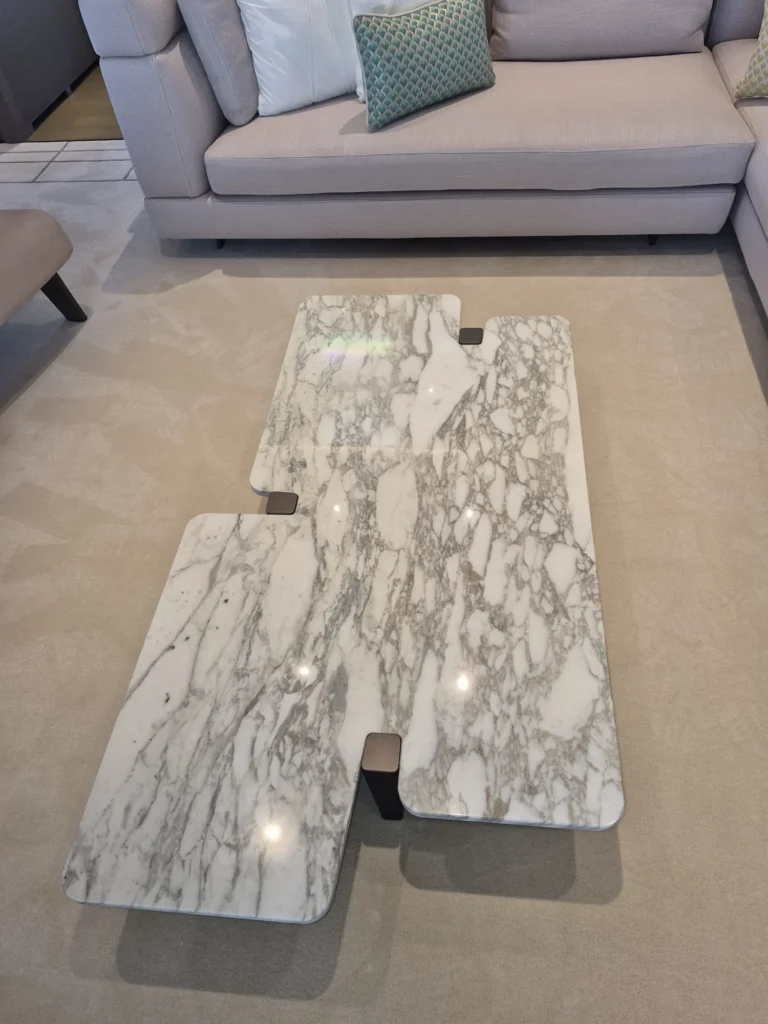
Planned visits across the year, with a short written report for the manager.Read moreOnyx, travertine, granite and quartzite are treated with the same care, always after a test on a hidden area.
A calendar built around winter, not summer
The best sailing months around Malta run from April to October. In mid-October, the Rolex Middle Sea Race starts from Grand Harbour (on 17 October in 2026), organised by the Royal Malta Yacht Club, and after it the harbours fill with yachts settling in for the winter.
That makes November to March the natural window for heavier marble work: floor polishing, crystallisation, repairs to bathrooms that have taken a season of guests. Yachts in refit at Palumbo or on the hard at Manoel Island can have their stone treated while technical work goes on, once the dusty trades are finished. In spring, the priority shifts to protection treatments and final touches before departure.
Winter in Malta is not always calm. The gregale, a strong north-easterly, can blow with little warning and, at worst, close the harbour to traffic. We keep some flexibility in our dates for that reason.
Which surfaces, and why they suffer here
A year spent between a busy harbour, a summer at anchor and a long winter berth leaves specific marks. Bathrooms collect limescale from desalinated and shore water alike, and are the most frequent request (marble bathrooms on board). Floors wear along the paths taken by crew and contractors during a refit, as much as by guests in summer (marble floor polishing). Counters, bars and tables carry the etch marks of a season of service (bars, counters and tables), and stairs take knocks when equipment is carried aboard in the yard (marble stairs).
From first message to handover in Malta
- 01
A message with photos
Tell us where the yacht lies (Grand Harbour Marina, Manoel Island, Msida, a dock at Palumbo) and send a few photos of the surfaces concerned.
- 02
Scope and quote
We identify the type of damage, propose a method and agree the scope with the captain or the manager.
- 03
Access and security
We register our team with the marina or the yard, including ISPS procedures where they apply, and confirm the dates with the crew.
- 04
Work on board
Surrounding joinery and soft furnishings are protected, dust is extracted at the source, and we work around other contractors if the yacht is in refit.
- 05
Inspection
We check the result with the chief stew or the project manager, then leave written care advice for the season ahead.
Read more about how we work on board, or about our approach for yacht managers.
Malta: local questions
Can you work on a yacht at Grand Harbour Marina in Birgu?
Yes. It is the most common place for our visits in Malta. We coordinate arrival times and names with the crew so that the berthing team expects us.
Our yacht is in refit at Palumbo in Senglea. Can marble work be added?
Yes, with the yard’s agreement. We register through the yard’s security procedures and fit our work into the refit schedule, ideally after sanding and painting trades.
We winter in Marsamxett. When is the best time to book?
Between November and March, when the yacht is not moving and guests are away. Booking early in the winter leaves room to adjust dates if a gregale disrupts the harbour.
Do you work in English?
Yes. Our exchanges with captains, chief stews and managers in Malta are in English, and our quotes and reports are written in English.
Is there a local office in Malta?
No. We have no address or office on the island: the travelling team of Les Traitements du Sud, the stone-care company that looks after yachts on the Côte d’Azur, flies in for each intervention, as Malta is part of the EU.
Can you keep the yacht’s identity confidential?
Yes. We sign a non-disclosure agreement on request and never publish names or photos from on board without consent.
Works on yachts in Malta are carried out today by the travelling team of Les Traitements du Sud, under the EU freedom to provide services. See all our destinations on the ports page.
Works in Valletta are carried out by Les Traitements du Sud (France), travelling team.
Wintering or passing through Malta?
Send us the yacht’s berth and a few photos. We come to your yacht, wherever she is.